
TPO vs EPDM Roofing: What Chesapeake Commercial Property Owners Should Know
TPO vs. EPDM Roofing: What Chesapeake Commercial Property Owners Should Know
Choosing the right roofing system is an important decision for commercial property managers. Whether you oversee an apartment complex, retail center, office building, or warehouse in Chesapeake, Virginia, your roof plays a critical role in protecting the property, controlling maintenance costs, and preventing disruptions for tenants and occupants.
Two popular options for flat and low-slope commercial roofs are TPO (thermoplastic polyolefin) and EPDM (ethylene propylene diene monomer). Both offer dependable weather protection, but understanding their differences can help you make a more informed decision about your property's long-term roofing needs.
What Is TPO Roofing?
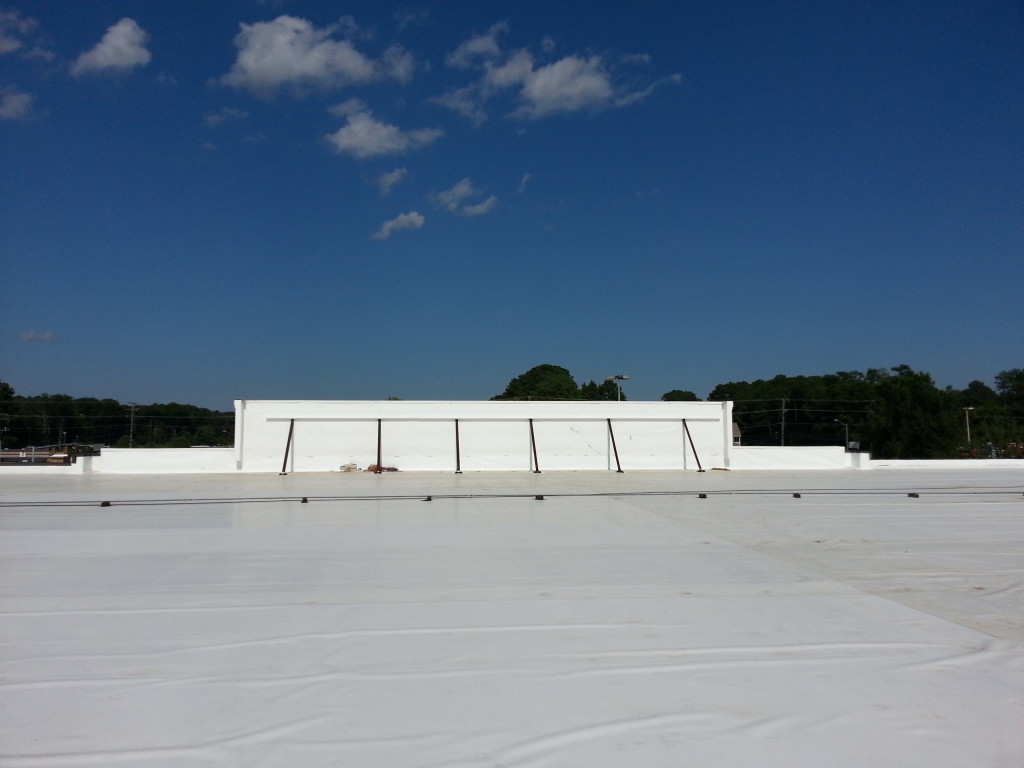
TPO is a single-ply roofing membrane commonly used on commercial buildings. Many TPO systems feature a white, reflective surface designed to reduce solar heat absorption. One of TPO's primary advantages is its heat-welded seams, which create a continuous bond between membrane sheets when properly installed. This can help create a durable, watertight roofing system. TPO is commonly considered for office buildings, retail properties, apartment complexes, and other commercial facilities with flat or low-slope roofs.
For Chesapeake commercial properties, TPO may be an attractive option because its reflective surface can help reduce rooftop heat gain during Virginia's hot, humid summers. Depending on the building's insulation, HVAC system, and overall energy performance, this may contribute to lower cooling demands.
What Is EPDM Roofing?
EPDM is often worth considering when evaluating roofing options for warehouses, multifamily properties, and other commercial buildings with low-slope roofs. EPDM is a synthetic rubber roofing membrane known for its flexibility and long history of use on commercial buildings. Typically available in black, EPDM absorbs more solar heat than white TPO, although reflective EPDM products are also available. EPDM seams are generally joined using specialized tapes and adhesives or other manufacturer-approved methods. When correctly installed and maintained, the system can provide reliable protection against rain, temperature changes, and everyday weather exposure.
For property managers in Chesapeake, EPDM's flexibility can be beneficial as roofing materials expand and contract with seasonal temperature changes. Its performance still depends on proper installation, sound flashing details, and regular maintenance.
TPO vs. EPDM: Which Is Better for Your Commercial Property?
Both systems can provide long-term protection, but several factors deserve consideration before choosing one for your building.
- Energy efficiency: White TPO typically reflects more sunlight than standard black EPDM. This can make TPO appealing for buildings with significant cooling demands, although actual energy savings depend on the entire building system.
- Seam construction: TPO seams are heat-welded, while EPDM seams typically rely on tape, adhesives, or approved joining methods. Both can perform well when installed according to manufacturer specifications.
- Weather resistance: Chesapeake's heavy rainfall, humidity, strong winds, and seasonal storms make proper drainage, secure membrane attachment, and well-executed flashing details essential for either system.
- Maintenance requirements: Neither roofing system should be considered maintenance-free. Routine inspections can help identify deteriorating seams, punctures, drainage problems, and damage around rooftop equipment before these issues lead to interior leaks.
- Installation costs: The cost of either system depends on roof size, existing roof conditions, insulation requirements, attachment method, accessibility, and labor. Comparing written estimates with clearly defined scopes of work is the best way to evaluate the investment.
Why Roof Selection Matters for Property Managers
For property managers, selecting a commercial roofing system involves more than choosing a membrane. It also means considering operating budgets, tenant satisfaction, maintenance schedules, and the potential cost of unexpected repairs. A roof leak can damage interior finishes, disrupt business operations, and generate tenant complaints. For properties with multiple buildings, recurring roofing issues can also place additional pressure on maintenance teams and annual budgets.
Working with an experienced commercial roofing contractor can help you assess your existing roof, identify developing problems, and determine whether repairs, restoration, or replacement is the most practical option.
At Pro Systems, Inc., we understand the demands of commercial property management throughout Chesapeake and the greater Hampton Roads area. We work with property managers to help protect their buildings while prioritizing clear communication, dependable service, and minimal disruption to tenants and daily operations. Our commercial roofing services include roof inspections, leak repairs, preventative maintenance, and TPO and EPDM roofing installations.
Make an Informed Roofing Decision for Your Chesapeake Property
So, should you choose TPO or EPDM? The right answer depends on your building's design, energy goals, existing roof conditions, budget, and long-term maintenance plans. TPO may be a strong choice if reflectivity and heat-welded seams are priorities. EPDM may be worth considering if you prefer a flexible rubber membrane with an established history in commercial roofing. A professional assessment can help determine which system best suits your property.
Need help evaluating your commercial roof? Pro Systems, Inc. provides commercial roofing inspections, repairs, maintenance, and replacement services for property managers throughout Chesapeake, Virginia, and the surrounding Hampton Roads communities.
You can also learn more about our roofing services for property managers.