
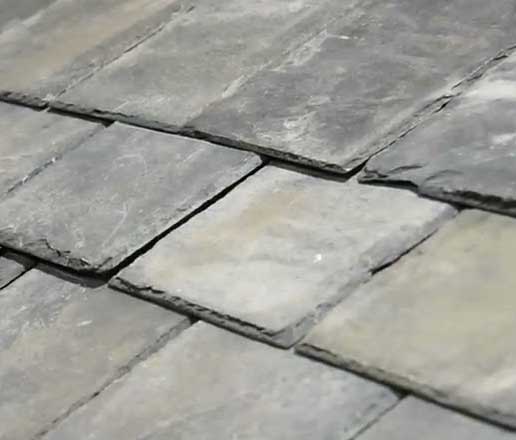
Homeowners Guide to Slate Roofing in Norfolk
Key Takeaways
- Slate roofing is one of the longest-lasting roofing materials available, but it still requires periodic inspections and repairs.
- Norfolk's coastal climate, salt air, high humidity, hurricanes, and freeze-thaw cycles can shorten the lifespan of damaged slate if repairs are delayed.
- Cracked, slipped, or missing slate tiles should be repaired quickly to prevent water intrusion and structural damage.
- Historic homes throughout Norfolk often feature natural slate roofs that require specialized repair techniques.
- Professional slate roof repair helps preserve your home's value, appearance, and weather resistance.
Understanding Slate Roofing and Slate Roof Repair in Norfolk
A slate roof is a strong architectural feature that can protect a home for well over 100 years when properly maintained. Throughout Norfolk, many historic neighborhoods feature beautiful slate roofs that have stood the test of time. Areas such as Ghent, Freemason, Colonial Place, Larchmont, and other established neighborhoods contain homes where the original slate roofing remains one of the property's defining characteristics. While slate is exceptionally durable, it does require maintenance. Understanding how Norfolk's unique environment affects slate roofing will help homeowners recognize problems early and avoid much more expensive repairs later.
Why Norfolk's Climate Is Tough on Slate Roofs
Norfolk experiences environmental conditions that place a continuous stress on roofing systems throughout the year. Individual slates can crack, fasteners can deteriorate, flashing can fail, and severe weather can cause isolated damage that requires prompt attention.
Coastal Salt Air
Living near the Chesapeake Bay and Atlantic Ocean means slate roofs are constantly exposed to salt-laden air. While slate itself can resist salt damage remarkably well, the surrounding metal components including flashing, valleys, nails, and fasteners experience faster corrosion than they would further inland. As flashing deteriorates, water can begin entering beneath otherwise healthy slate tiles.
High Humidity
Norfolk experiences consistently high humidity levels throughout much of the year. Moisture encourages moss growth, algae buildup, lichen formation, and an accumulation of organic debris. While moss may appear harmless, it can trap moisture against slate and flashing, increasing the likelihood of premature deterioration around vulnerable roof areas.
Hurricanes and Coastal Storms
Residents know that the hurricane season is part of life in Hampton Roads. Even the storms that don't produce obvious roof damage can still loosen individual slates enough that problems appear months later. Stronger coastal winds can:
- Break slate tiles from flying debris
- Lift loose slates
- Damage ridge caps
- Bend flashing
- Create hidden leaks
Freeze-Thaw Cycles
Although Norfolk has relatively mild winters, freezing temperatures still occur. Water entering tiny cracks in damaged slate expands when frozen, gradually making small fractures much larger over time. One cracked tile can eventually become multiple broken slates and interior water damage.
Common Slate Roof Problems Norfolk Homeowners Should Watch For
Early detection is one of the best ways to extend the life of a slate roof.
Cracked Slate Tiles
Even a single cracked tile can allow water beneath the roofing system. Individual slates may crack due to:
- Falling tree limbs
- Storm debris
- Foot traffic
- Age
- Freeze-thaw expansion
Slipped Slate
Older slate roofs sometimes experience nail fatigue, where original fasteners corrode after decades of service. When this happens, slates begin slipping out of position. A slipped slate often exposes the underlayment and creates an immediate pathway for water intrusion.
Missing Slate
After severe wind events, homeowners occasionally discover individual slate tiles missing from the roof. Replacing missing slates quickly prevents surrounding pieces from becoming unstable.
Flashing Failure
Because flashing generally ages faster than natural slate, replacing deteriorated flashing is often part of long-term slate roof maintenance. Many slate roof leaks are actually flashing problems rather than slate failures. Particularly vulnerable areas are around:
- Chimneys
- Dormers
- Valleys
- Skylights
- Roof transitions
Broken Ridge Caps
The highest points of the roof receive the greatest wind exposure. Damaged ridge pieces can allow moisture beneath otherwise intact roofing materials.
Signs Your Slate Roof Needs Professional Repair
Many roofing problems develop gradually before becoming visible inside the home.
Watch for warning signs such as:
- Water stains on ceilings
- Damp attic insulation
- Missing slate after storms
- Slate pieces found in your yard
- Loose flashing
- Moss growing excessively
- Visible cracked tiles
- Interior leaks near chimneys
- Rust stains around flashing
If you notice any of these issues, scheduling a professional inspection sooner rather than later can significantly reduce repair costs.
Why Preventative Slate Roof Maintenance Pays Off
Because slate roofing systems are designed to last generations, repairing isolated damage is usually far more cost-effective than allowing problems to spread. Addressing small repairs early often prevents much larger restoration projects later. A single cracked slate may seem insignificant today, but moisture infiltration can eventually damage:
- Roof decking
- Underlayment
- Structural framing
- Insulation
- Drywall
- Interior finishes
The table below uses typical U.S. residential costs for slate roof-related repairs. Actual pricing in Norfolk and the Hampton Roads area can vary depending on roof accessibility, home size, historic preservation requirements, and material costs. However, these estimates effectively demonstrate how addressing a minor issue early can prevent much more expensive repairs later.
Example: A $750 slate roof repair today could prevent over $20,000 in future structural and interior repairs if the leak is caught before water causes widespread damage.
| Problem Area | Average Preventative Repair Cost | Average Major Repair / Replacement Cost if Delayed | Potential Savings with Early Maintenance | ||||||||
|---|---|---|---|---|---|---|---|---|---|---|---|
| Roof Decking | Replace localized damaged decking (1–2 sheets): $500–$1,500 | Extensive roof decking replacement: $5,000–$15,000+ | Up to $13,500+ | ||||||||
| Roof Underlayment | Repair underlayment in a localized area during slate repair: $600–$2,000 | Full underlayment replacement requiring slate removal: $10,000–$25,000+ | Up to $23,000+ | ||||||||
| Structural Framing | Reinforce or repair a damaged rafter/truss: $800–$3,000 | Major structural framing restoration from prolonged water damage: $10,000–$40,000+ | Up to $37,000+ | ||||||||
| Attic Insulation | Replace wet insulation in affected area: $300–$1,000 | Complete attic insulation replacement after widespread moisture damage: $3,000–$8,000+ | Up to $7,000+ | ||||||||
| Drywall & Ceiling Repair | Repair a small ceiling stain or leak: $300–$800 | Replace multiple ceilings, drywall, texture, and repaint after extensive leaks: $3,000–$10,000+ | Up to $9,200+ | ||||||||
| Interior Finishes (Paint, Trim, Flooring, Cabinets) | Touch-up paint or repair localized finish damage: $500–$2,000 | Restore flooring, trim, cabinetry, paint, and finishes after significant water intrusion: $5,000–$30,000+ | Up to $28,000+ |
Estimated Cost Progression of an Untreated Leak
| Stage | Typical Cost |
|---|---|
| Replace one or two damaged slate tiles | $500–$1,200 |
| Repair flashing and surrounding slate | $1,000–$2,500 |
| Replace localized roof decking | $2,000–$5,000 |
| Repair insulation and drywall | $4,000–$8,000 |
| Structural framing repairs | $10,000–$20,000+ |
This comparison is particularly relevant for homeowners in Norfolk, where coastal humidity, salt air, heavy rain, hurricanes, and occasional freeze-thaw cycles can accelerate water intrusion once a slate roof is compromised. Annual inspections and prompt repairs are typically one of the most cost-effective ways to preserve both the longevity of a slate roof and the value of the home.
Trust Pro Systems Roofing for Slate Roof Repair in Norfolk
At Pro Systems Roofing, we understand the unique challenges Norfolk homeowners face when maintaining slate roofs. From historic homes in Ghent and Freemason to coastal properties throughout the Hampton Roads region, our team provides skilled slate roof inspections and repairs designed to preserve the beauty, durability, and longevity of your roof.
We focus on repairing damaged slate whenever practical, using proven techniques and quality materials that complement the existing roofing system. Whether your roof has suffered storm damage, developed leaks around flashing, or simply needs routine maintenance, our experienced professionals can evaluate the condition of your slate roof and recommend the most appropriate solution.
If you own a slate roof in Norfolk, don't wait until a minor issue becomes a costly repair. Contact Pro Systems Roofing today to schedule a professional slate roof inspection and keep your home protected for years to come.
Hear it from the Experts in Slate Roof Repair
What brands of products do you choose to use and why?
We use Buckingham Slate manufactures for new slate tiles; there’s also a synthetic tile, which is commonly used to give the look of slate for repairs or even an entire roof, but at a lower price.
Are slate roof repairs a common job you handle?
Not very common because slate typically is reused-it’s a unique and lost art of an architectural material. It’s interesting because it lasts a lifetime! The only thing that happens is it breaks or the fasteners give out, and the pieces have to be re-fastened.
What are the steps you take in the slate roof repair process?
In slate roof repair jobs - it’s all about safety. Because the roofs are typically 2-3 stories with a very steep pitch which requires special safety systems to create a safe job site - tiles are delicate and slippery.
Is there any variable pricing for slate roofs?
Yes, the pitch, number of stories, property layout (trees, Driveways, etc.) can add cost to the repair
As experts in the industry, what are helpful tips for homeowners to maintain their slate roof?
Have your roof inspected by a professional
Frequently Asked Questions About Slate Roof Repair
How long does a slate roof last in Norfolk?
A properly installed natural slate roof can last 75 to 150 years or more. Regular inspections, timely repairs, and maintenance are key to reaching its full lifespan, especially in Norfolk's coastal climate.
Can individual slate tiles be replaced?
Yes. In many cases, damaged or missing slate tiles can be replaced individually without replacing the entire roof, provided matching materials and proper installation methods are used.
How often should a slate roof be inspected?
Most homeowners should schedule a professional inspection every one to two years and after major storms, hurricanes, or high-wind events common in the Hampton Roads area.
Does salt air damage slate roofs?
Natural slate is highly resistant to salt exposure, but Norfolk's coastal environment can accelerate corrosion of flashing, fasteners, and other metal roofing components. Routine inspections help identify these issues before they lead to leaks.
Is slate roof repair covered by homeowners insurance?
If the damage is caused by a covered event such as hail, wind, or falling tree limbs, your homeowners insurance may cover repairs. Damage resulting from age, lack of maintenance, or normal wear is generally not covered. Review your policy and consult your insurance provider for specific coverage details.
"Great company with excellent services provided. I refer to them whenever I have issue to be addressed. Very professional and prompt!"
- Kimberly Cox
"Pro Systems Inc offers fair prices, and have a very quick turn around time on scheduling repairs. Pro Systems Inc is the go to company for all your roofing needs!"
- Ms. Parker
Frequently Asked Questions About Slate Roof Repairs
How long does a slate roof last in Norfolk?
A properly installed natural slate roof can last 75 to 150 years or more. Regular inspections, timely repairs, and maintenance are key to reaching its full lifespan, especially in Norfolk's coastal climate.
Can individual slate tiles be replaced?
Yes. In many cases, damaged or missing slate tiles can be replaced individually without replacing the entire roof, provided matching materials and proper installation methods are used.
How often should a slate roof be inspected?
Most homeowners should schedule a professional inspection every one to two years and after major storms, hurricanes, or high-wind events common in the Hampton Roads area.
Does salt air damage slate roofs?
Natural slate is highly resistant to salt exposure, but Norfolk's coastal environment can accelerate corrosion of flashing, fasteners, and other metal roofing components. Routine inspections help identify these issues before they lead to leaks.
Is slate roof repair covered by homeowners insurance?
If the damage is caused by a covered event such as hail, wind, or falling tree limbs, your homeowners insurance may cover repairs. Damage resulting from age, lack of maintenance, or normal wear is generally not covered. Review your policy and consult your insurance provider for specific coverage details.